Empowering rural Minnesota to design and build a shared future.

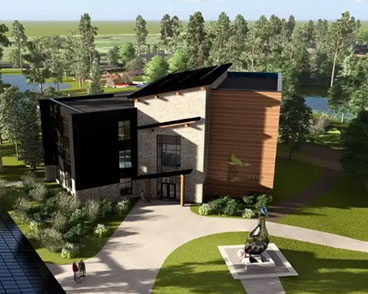
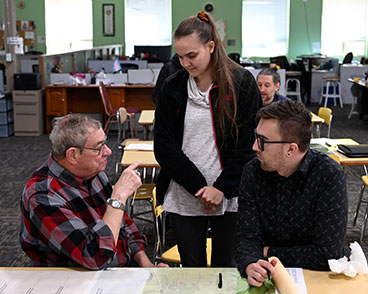
Since 1983, MDT has helped over 100 communities establish a shared vision. Led by a volunteer committee, MDT draws on the expertise of more than 200 professionals in architecture, landscape architecture, urban designing, planning, and other expertise in design and community development. Communities typically seek MDT’s guidance when updating comprehensive plans, navigating major infrastructure changes, or revitalizing stagnant growth by identifying hidden strengths and opportunities.

Guiding Principles

MDT assists communities in planning and designing a viable, appropriate future. It works not only with design issues such as main street improvements, but also with the fundamental planning process that allows residents to take the initiative in continuing to plan a future that reflects the dreams and interests of the community.

MDT believes a community’s future depends on the physical, social, environmental, and economic values its citizens embrace. The work of MDT involves translating these values into sustainable design ideas the community can implement.

Community-Based Planning Principles

  • Recognize that people are a community’s best resource for visioning and investing in the future.
  • Approach planning and design problems with an interdisciplinary team to achieve balanced planning and physical design solutions.
  • Understand a community’s unique sense of place is developed through respect for the local environmental, physical, social, and economic characteristics.
  • Promote physical design as an integral component of a community’s quality of life offers the most effective use of the Design Team’s planning and design skills.
  • Encourage redevelopment in areas where urban infrastructure exists, or new development in areas where infrastructure capacity exists, ensures that a community’s land and utility resources will be used efficiently.
  • Promote compact development patterns ensures that a community uses its land, transportation, and civic resources wisely.
  • Encourage development of public-realm amenities that will attract private sector construction is an effective economic development strategy for improving community quality of life.
  • Promote a range of housing types ensures that citizens of differing incomes, lifestyles, and preferences have a range of housing choices within the community.
  • Promote a range of commercial building types ensures a range of building and employment choices within the community.
  • Encourage community stakeholders to collaborate with one another ensures that community improvements are directed responsibly.
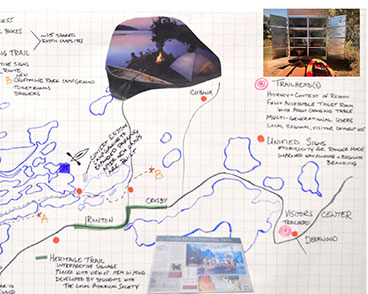
  • Use graphics and visual references to communicate ideas quickly and effectively.

Application Information

Deadlines

Spring application deadline is August 15.
Fall application deadline is January 15.

Process

The Minnesota Design Team (MDT) application process is designed to ensure both the organization and the community are aligned before a design weekend begins. Here is a streamlined overview of the initial steps:

Research and Inquiry Communities begin by reviewing the official MDT workbook. During this phase, local leaders can request an MDT representative to visit or call to explain the program’s scope and preparation requirements in detail.

Application Submission A formal application is submitted, which must include the completed form, visual documentation (photographs and maps), and letters of support to demonstrate community-wide buy-in.

Committee Review The MDT committee evaluates the proposal and issues a decision within 60 days. Applications may be accepted outright, declined, or accepted “with conditions” if more information or broader local support is required.

Screening and Orientation Once approved, MDT conducts a screening call or site visit. This final introductory step allows MDT to outline the logistics of a design weekend and gives community leaders a chance to ask specific questions before moving forward.

View the MDT Community Information Document
Fee & Expenses

The MDT application fee is typically $7,500, depending on the community’s needs. Fee is subject to change. Communities should also be prepared to invest significant time and additional costs for the purposes of providing food and lodging to volunteers. See details of expectations in the MDT workbook.

Community Workbook & Application

After a community has reviewed the application information, and the community feels that a MDT visit might be a good fit, download the MDT Community Workbook and Application.

To apply for a visit, communities must read the workbook, complete the included application forms, and submit their completed application by the deadlines listed above.

Complete the Workbook & Application

MDT in the News

Past MDT Community Visits

Communities that partner with MDT on a visit benefit from the experience by receiving a set of “Visioning Design Boards.” The community keeps the original boards that are created on the visit, and MDT stores scanned versions of the boards.

MDT Leadership & Staff

Co-Chair

Richard Baker, Allied Member of AIA Minnesota

Co-Chair

Amber Egofske, AIA

Co-Chair Elect

DeeDee LeMier, Allied Member of AIA Minnesota

Deputy Executive Director

Amber Allardyce, Hon. AIAMN, CAE