
Spatial Justice at the Intersection
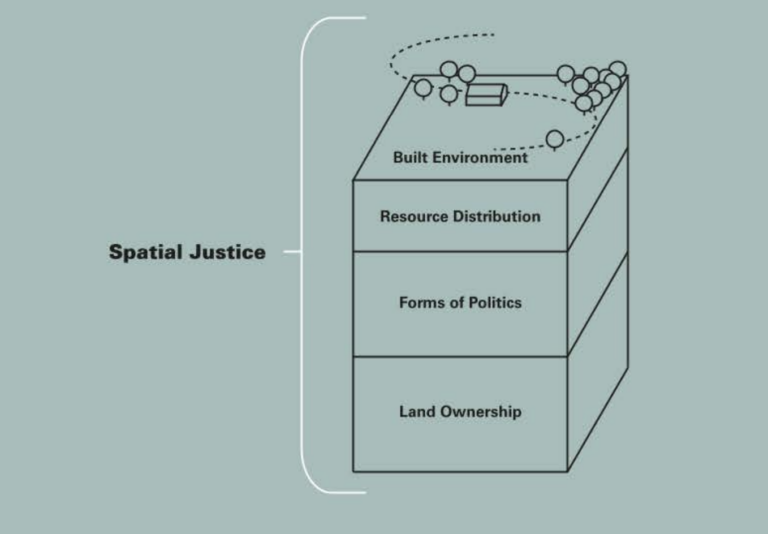
“At its best, design can be a collective and inclusive process that addresses spatial injustices, empowering all those that the built environment serves, but more often this is short-circuited by ‘community engagement’ conducted at a superficial or tokenistic level.”
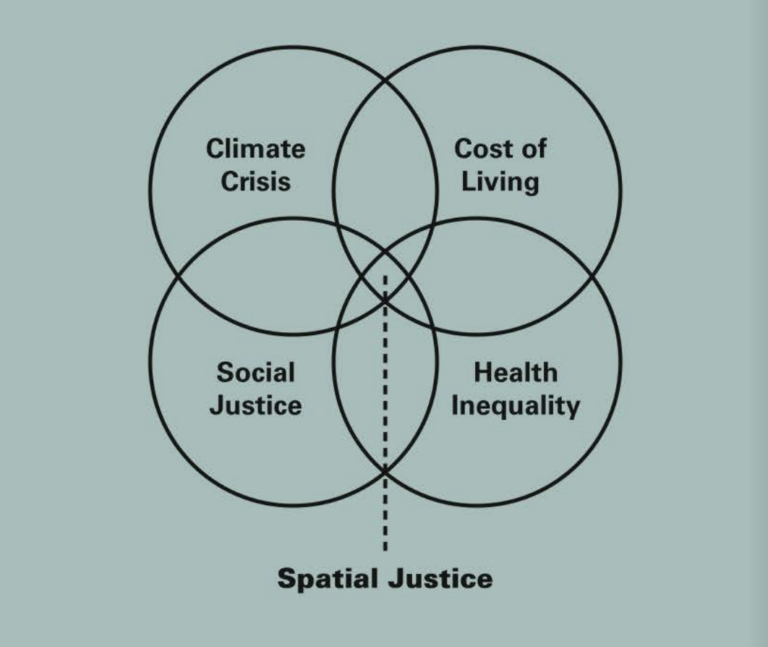
“…the housing crisis cannot be remedied without a robust sustainability vision; public spaces cannot truly celebrate neglected histories without addressing entrenched socioeconomic inequities; post-pandemic, the city cannot nurture better health and wellbeing for its inhabitants without challenging deep-rooted petroleum-fuelled habits that dictate urban design.
“Acknowledging the intersectionality of the challenges that the built environment faces, this research poses co-design both as a powerful design tool to uncover inequities and opportunities to redress them, and as an invaluable civic process…”