AIA Minnesota and its membership recognizes the threat posed to our built and natural environments by climate change and support measures across industries that reduce carbon emissions, encourage energy-efficient design and whole-building life cycle assessments and design approaches, and foster resilient and regenerative buildings and systems.

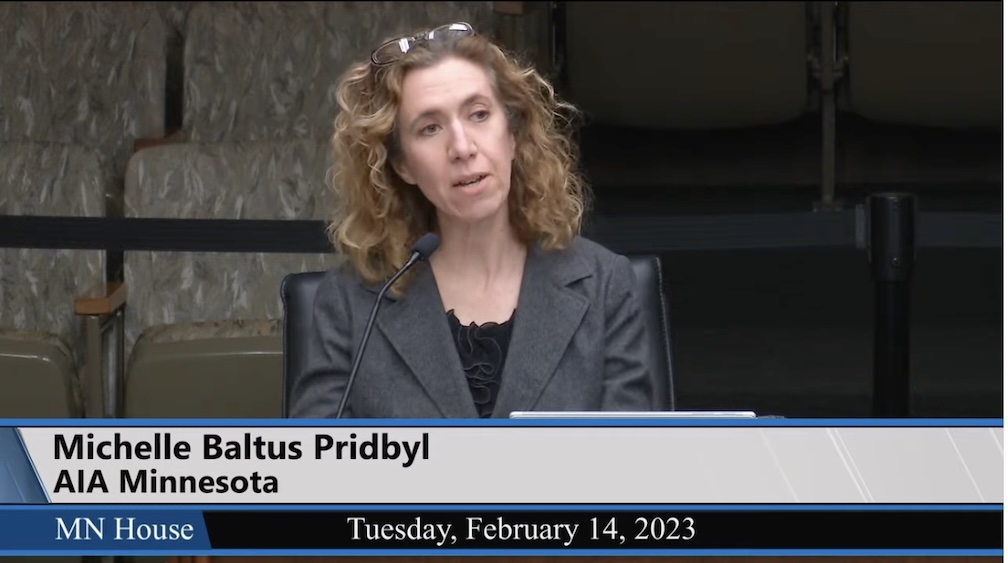
The AIA Minnesota Government Affairs Committee regularly pursues legislative and regulatory reforms to support regenerative design.
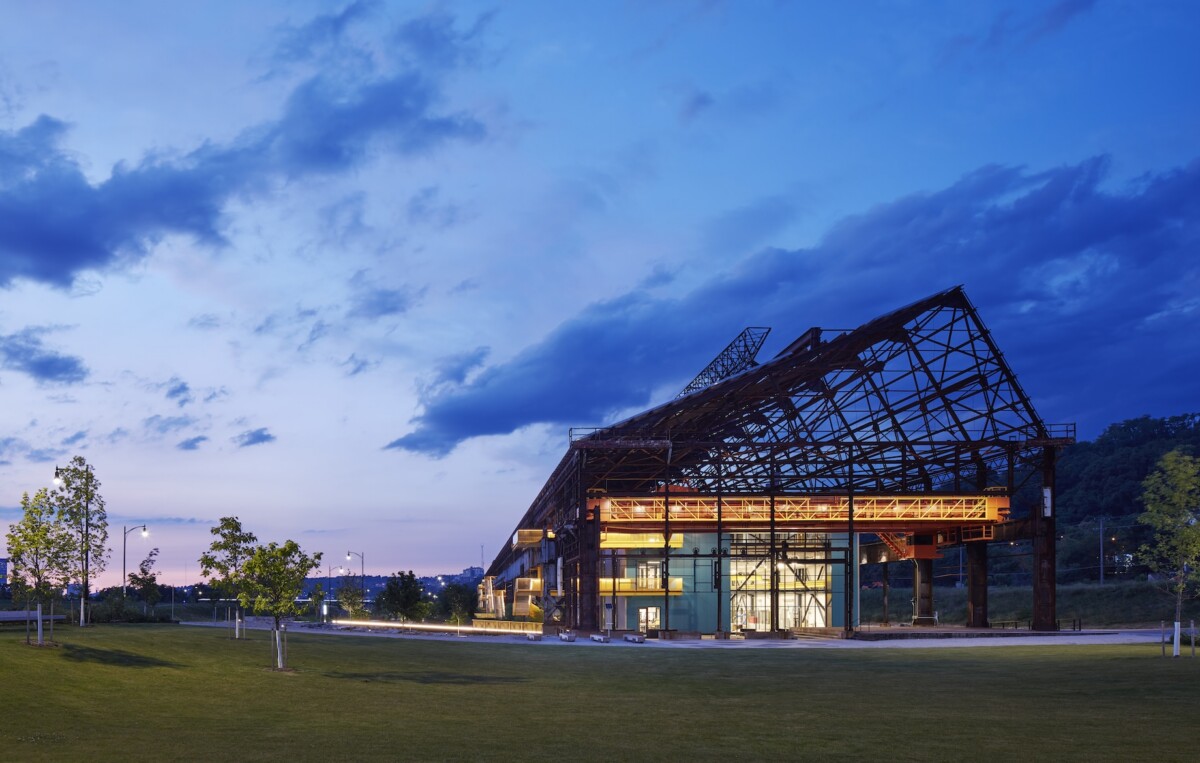
The AIA Minnesota COTE committee provides education, tours, training, and advocacy support for climate action in practice and policy.

Each year at the Minnesota Conference on Architecture, education sessions and exhibit booths provide attendees with new tools to advance climate practice.

The AIA Framework for Design Excellence informs progress toward a zero-carbon, healthy, just, resilient, and equitable built environment.
The AIA 2030 Commitment is an actionable climate strategy that gives us a set of standards and goals for reaching net zero emissions in the built environment.

AIA developed the Architecture & Design Materials Pledge to inspire a positive shift in materials specification.

Explore a three-part resource designed to empower and provide architects and designers with the necessary steps to take to reduce embodied carbon in their projects.