
Minnesota Conference on Architecture

Call for Session Proposals

Propose a session for the 2026 Minnesota Conference on Architecture

Help shape this year’s conference program. AIA Minnesota is seeking proposals for the 2026 Minnesota Conference on Architecture on November 9–11 at The Depot Renaissance Hotel in downtown Minneapolis.

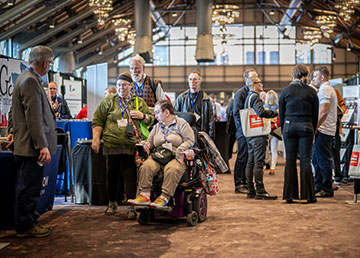
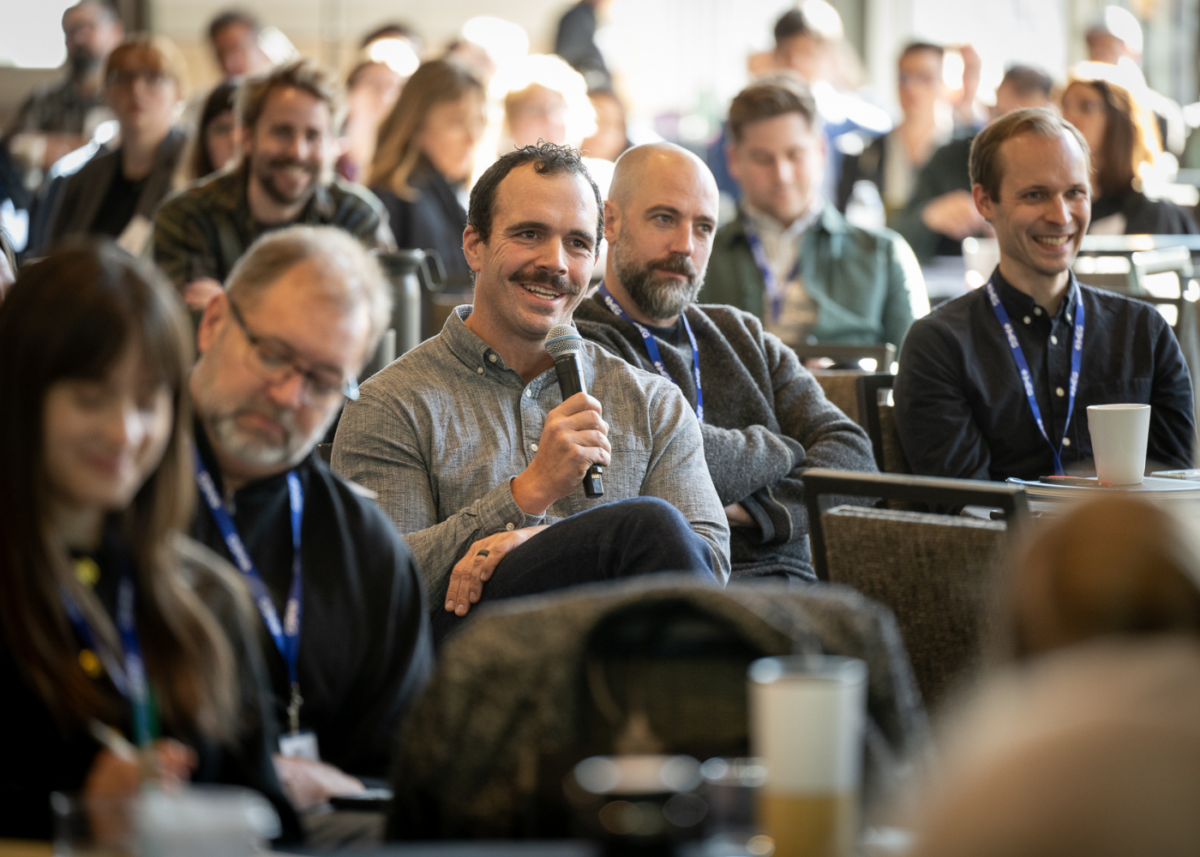
Photo credit: Chad Holder

Submit a conference session proposal.

Share your expertise. Applications will open in mid-March. Proposals will be due Friday, May 15, 2026.

What We're Looking For

AIA Minnesota seeks proposals for continuing education presentations for all three days of the A’26 MN Conference on Architecture. We will schedule approximately 40–50 programs for audiences ranging from 20 to 350+ participants. The audience is primarily architects and architectural designers. Interior designers, landscape architects, engineers, planners, students, and other design professionals often attend as well.

When developing your session proposal, we encourage you to keep the following in mind:

  • The Conference CE Committee seeks proposals on a wide variety of topics related to all building types, practice management skills, and of interest to architecture professionals in firms/organizations of all sizes.
  • Presentations must be non-proprietary.
  • Panels must include a diverse array of voices and perspectives, particularly regarding gender and race/ethnicity.
  • In an effort to minimize the climate impact of this conference, we aim for at least 80 percent of our speakers to be within driving distance of the Twin Cities.
  • Presenters highlighting a project are asked to share the historical context of the land and built environment related to the project in a manner that takes a long view of history and the people who have called that place home.
Frequently Asked Questions

What information is required in the proposal?

All proposals must include the following:

  • Title
  • Program description
  • Learning objectives
  • Program format and teaching tools
  • Intended audience
  • Speakers*
  • Preferred program length (1.0, 1.25, 1.5, or 2.0 hours)

*Selection of speakers: In an effort to minimize the climate impact of this conference, we aim for at least 80 percent of our speakers to be within driving distance of the Twin Cities. Due to cost, live streaming will not be utilized for 2026 conference sessions.

See an example of the 2026 form
What topics are you interested in?

The selection committee seeks proposals on a wide variety of topics for all building types and for firms of all sizes including, but not limited to:

  • The elements of the AIA Framework for Design Excellence
  • Artificial intelligence
  • Climate change and the built environment
  • Codes
  • Development
  • Ethics
  • Equity in the built environment
  • Equity in the profession
  • Future of the profession
  • Healthcare design
  • Leadership
  • Materials and systems
  • Mentorship
  • Practice management
  • Preservation
  • Research
  • Residential design
  • Rural design
  • Sustainable, resilient, and regenerative design
  • Technology
  • Inclusive/accessible design
  • Urban design
How can my presentation qualify for HSW or Ethics?

Health Safety Welfare (HSW)
AIA recognizes general programming for credit as well as programming that addresses HSW issues. In order for your program to qualify for HSW credits, at least 75% of your presentation must directly address issues related to protecting the health, safety, and welfare of the occupants of the built environment. Likewise, it is required that three of your four learning objectives identify the HSW issues being addressed. Click here for more details on the definition of HSW utilized by AIA for the purposes of approving HSW credits, and for specific HSW topic categories.

Ethics
All architects licensed in the state of Minnesota must attend two hours of continuing education that address the topic of ethics. The AELSLAGID licensing board states that content related to ethics must be “professional (but not necessarily profession-specific) ethics.” The AELSLAGID licensing board never preapproves any program for ethics or HSW credit. In order for your program to be considered for providing ethics credit at the conference, you must include ethics as a part of your program title and include how ethics is addressed in both the description and learning objectives.

Who reviews and selects the proposals?

The members of the Conference Continuing Education (CE) Committee plus the AIA Minnesota continuing education director carefully review all session proposals over multiple weekly meetings. Informed by member interests, past conference evaluations, and other factors, the committee curates topics of focus and speakers for the keynote and concurrent sessions, with a goal of providing the best quality, complementary continuing education opportunities for conference attendees across a variety of topics, knowledge levels, and formats.

What are the aspects of a successful proposal?

The Conference CE Committee reviews every proposal with the goal of selecting a variety of topics for audiences with varying experience levels. Below are our top tips for submitting proposals and presenting programs that are valuable to our members:

  • Program content cannot be product or service specific. All presentation material must be non-proprietary. Your proposal will not be accepted if this criteria is not strictly followed. Architects are very aware when the seminar they attend is being used to sell products or services. Below are just a few of the comments taken from previous Conference program evaluations.
    • Too much of a commercial and sales pitch
    • Some of the speakers came off as salesmen rather than experts
    • Too much a salesman-talk
    • Felt like a sales pitch; benefit to speakers rather than audience
    • Very knowledgeable but it was basically a sales presentation
    • This was clearly a sales pitch
  • A proposal is less likely to be accepted if the content is too basic. Our goal is to differentiate our conference programs from the types of programs that are regularly being presented in offices over lunch. We recommend that presentations dig deeper into the subject. Presentations are best received when they go beyond the basic overview.
  • A proposal is more likely to be accepted if the content is new and innovative.
  • Show application. Include a case study or two. Use photos to illustrate.
  • Selection of programs will be made in a manner consistent with AIA Minnesota’s core values and Diversity Policy, with attention to ensuring that a diverse array of voices and perspectives are brought forward, in particular regarding gender and race/ethnicity.
  • Bring together speakers and/or panels who represent a variety of roles played within the project team: owner, contractor, engineer, landscape architect, interior designer, planner, etc.
  • If climate impacts the material you are presenting, provide info for a Midwest climate; or provide relevant applicability to the Midwest climate.
  • Talk about process. Focus on the “how” more than the “what.”
  • Talk about solutions, not just problems. Show examples.
  • Present information that can be used to make architects better, more efficient, more economical.
When will I be told whether or not my proposal has been accepted?

Proposals will be selected by the end of August.

If my proposal was not accepted, are there other options for presenting to AIA Minnesota members?

We typically receive many more proposals than what our conference can accommodate. There have been some instances in which proposals that were not selected for the conference were presented as standalone programs in the following calendar year. This is not a guarantee but it is a consideration, at the discretion of the Conference CE Committee and AIA Minnesota staff.

Staff

Deanna Christiansen, Hon.AIAMN

Continuing Education Director

Deanna Christiansen, Hon. AIAMN

Ann Mayhew

Public Outreach Manager

Ann Mayhew